
Meet our partners: Raelene Seales
Industry -
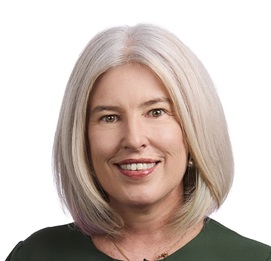
The TAL group insurance partner community brings together leaders from across the superannuation sector. We're fortunate to draw from the vast experience and diverse perspectives of our partners. This month we speak with Raelene Seales, CEO of Prime Super, about her career journey from banking and insurance into superannuation, the mental health challenges facing her members, and how true partnership drives better outcomes.
You've worked across banking, insurance, and now superannuation. What drew you to this industry?
I grew up in Bundaberg in a working-class farming community. Watching my family work hard to build wealth, only to see it wiped out by drought or floods, shaped my commitment to financial literacy and retirement security. My father was an early adopter of superannuation and set up endowment funds for the family. I saw firsthand how that privilege mattered.
I began my career at NAB as a teller, working my way up through senior roles in wealth management and insurance. Through my work experience, I saw the best and worst of people's financial decisions through their spending habits. But it was five years in Indonesia working in insurance that changed everything. I was immersed in a culture deeply rooted in community, respect and mutual assistance, which is a concept known as gotong royong. That crystallised something for me: that I wanted to be involved in an industry that could help people create wealth together, safely.
When I returned to Australia, superannuation was the natural fit. But the driver for me was really bringing that culture of community and mutual assistance I'd experienced back to Australia.
What excites you the most about working in superannuation, and what has made you proudest about being part of Prime Super?
As Prime Super has a young member base, what excites me most is being there to help them grow their super balances and providing the opportunity for real wealth creation.
What I'm most proud of is our team. We've been through enormous business transformation over the past 18 months, absorbing regulatory change and shifting member expectations. Yet, they've stayed focused on members and remained agile through it all.
What sets us apart is how we've built our frontline teams. Many of our distribution and service team members have backgrounds in farming, health, or education, so they understand our member base. That heritage matching is deliberate.
We have a national footprint of business development managers across regional Australia because we know most of our members aren't in metro areas. Our Member Services team has been recognised and awarded for this approach, and we've consistently maintained high NPS for customer service because it's built on genuine connection, not just process.
Can you tell us about Prime Super's member base – are there any particular challenges they face?
Many of our members live in isolated communities and studies show that suicide rates and total permanent disability rates are generally higher in remote areas of Australia. So, it’s not a surprise that our mental health claims sit in the top tier per capita. Our statistics around mental health conditions split by metro, regional, rural and remote rural are alarming. Mental health still isn't talked about in many of those rural and remote communities; it still has a stigma.
This year, we are building a preventative partnership with the National Farmers Federation to move from education into action. TAL will be central to supporting this work, connecting across the industry and providing claims insights that validate our approach.
How should the industry rethink insurance product design to better match the needs of today’s workforce?
I think it's important for the industry to think about how we talk about insurance itself. I'm a strong advocate for reframing income protection as a tool for preventing TPD. If we could change the narrative so members see it as access to rehabilitation funds, we may have an opportunity to mitigate the high claim costs of TPD we're seeing.
There's real potential in thinking about life-stage insurance products that transition with members: starting with basic life cover, moving to income protection as earnings grow, then balancing TPD and life cover through mid-career years – similar to how the investment space uses soft defaults.
What do you see as the biggest opportunities for Prime Super and the industry in delivering a great member experience?
Superannuation is still clunky to do business with. Banks and insurers excel at omni-channel journeys, starting with digital and seamlessly moving to chat, then to a human as needed. That's our biggest opportunity.
The real barrier is data. Super funds collect limited information upfront compared to banks and insurers. But that's where the opportunity lies: gathering information through moments of truth with members, with their permission, so we can truly personalise our services. Data intelligence is critical if we're going to truly serve our members well in the years ahead.
What do you value most about Prime's partnership with TAL, and how does it help you deliver member outcomes?
It's a true partnership model. Conversations with TAL feel like co-creation, where two different perspectives come together and something better emerges.
The most important thing is that TAL is a real extension of our member proposition. We work as mutual partners where we both genuinely benefit and care about members. That shared commitment is what makes this partnership truly powerful.