
Meet our partners: Jane Hogan
Industry -
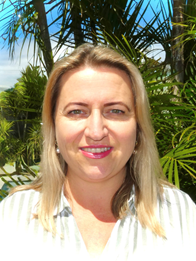
The TAL group insurance partner community brings together leaders from across the superannuation sector. This month we sat down with Jane Hogan, Senior Insurance Governance and Wellbeing Manager at Aware Super, to hear about her journey into group insurance and her passion for member health.
You've spent more than 20 years in insurance and claims. What drew you to group insurance?
Like many people, I didn't know much about superannuation when I left school, let alone insurance. I started in a Benefit Payments team and quickly realised insurance provided so much value. Being able to pay claims to members who didn't even know they had cover really stuck with me. I became passionate about it and ended up staying in the super and insurance space ever since.
I've been at Aware Super for over 13 years now – and with almost 1.2 million members, two-thirds of whom are female, I see a real opportunity to provide something meaningful for our members.
Can you tell us more about Aware Super’s member base, and how it shapes your approach to health and wellbeing?
Many of our members are nurses, teachers, doctors, ambulance officers, police and people in caregiving roles. They look after us, so we want to look after them. These are demanding jobs where people often put others first, and we see the toll that takes, which is why our approach focuses on prevention and early intervention, not just paying claims.
What I love about our wellbeing offering is that it’s completely confidential and it extends to families too, including members’ partners and children over 18. Because when someone is struggling, it doesn’t just affect them, it affects everyone around them.
The services we provide also work hand in hand. Someone accessing mental health support such as a psychologist or psychiatrist might also benefit from nutrition, exercise and menopause support. Supporting good health isn't just about one thing; it’s a holistic approach that meets members where they are.
What prompted Aware Super's focus on mental health support?
A lot of our long, complex claims stem from psychological injury, burnout and chronic stress, and we were seeing members struggle to access the right support for them.
Wait times for a psychiatrist can be 2–4 months, and the costs are prohibitive for many, so by the time people got help, their conditions had often worsened.
That's what prompted us to act. We wanted members to get support early, before a difficult period becomes a crisis, and now they can see someone within 10 days. For me, it's not just about helping someone return to work; it's about helping them feel like themselves again to retire on their own terms.
What are you most proud of in terms of member engagement?
Last year we ran a Navigating Menopause webinar and the response was astronomical. We had a record number of registrations, and hundreds of those members went on to access support services. That follow-through is what I'm most proud of.
Not everyone knows these services exist, and members naturally expect to hear from us about super, so getting them to engage with health takes real effort. But when they know about them and use them, it really works, and we see the difference it makes.
Working with TAL has allowed us to offer more than financial help and guidance. This allows us to provide another element to our super helpful services. One of our employer team members recently met with NSW Health, and they were thrilled to learn these services exist. Hearing that gratitude reminds me why I do this work.
International Women's Day sparks important conversations about women's health and financial security. What's encouraging you about where the industry is heading?
I'm a mum of three daughters, and like many women, I'll retire with less super than I would have if I hadn't taken time out for family. Women are retiring with around 25% less super than men1, and menopause alone can cost between $25,000 and $60,000 in lost super.2
And behind those numbers are real health challenges. Menopause is still greatly misunderstood, and many women don't know where to go for support. I didn’t even realise I was experiencing perimenopause symptoms until we introduced menopause support at Aware Super – it really came out of nowhere for me, and that’s something I hear from so many women.
What encourages me is that the industry is finally having these conversations openly – and that organisations like Aware Super are leading by example. We introduced 10 days per year menopause leave for our staff in 2023, and while it’s a practical benefit, the biggest impact has been reducing stigma. It created permission for people like me to openly talk with our managers and feel supported, rather than pushing through in silence.
With TAL we’ve extended that commitment to our members with menopause support. Given our membership profile, this service is deeply valued, and it’s incredible to see it’s not just woman accessing it – many men are also using it to better support their partners and loved ones.
Women's health was overlooked for far too long, and my mum’s generation never had support like this. Now we're seeing recognition that it can impact both wellbeing and financial outcomes. Leaders across the industry are willing to prioritise this, and that's what gives me real hope for my daughters' generation.
Any advice for women building their careers?
Look after your health, because it can have a profound impact on everything, and know that support is available when you need it.
But the advice I wish I'd taken earlier is to say yes to opportunities, even when they feel overwhelming. The best thing I ever did was say yes to public speaking, which was my worst nightmare at the time. It took me too long to back myself. So don't wait until you feel ready. Be curious, be confident, and trust that you'll grow into the challenge.
1 Statement: Women asked, yet again, to sacrifice retirement savings - ASFA