
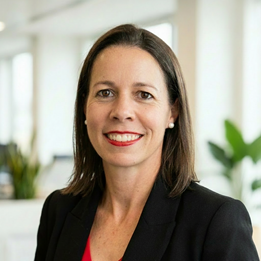
Meet our team: Carly-Van-Den-Akker
Industry -
We sat down with Carly Van Den Akker, TAL's new Head of Wellbeing and Recovery, to talk about her path into the role, what's behind TAL’s Reimagine Claims and Recovery program, and what fund partners can expect to see over the next year.
What was the career path that led you to your role today?
My background is in allied health. I trained as an exercise physiologist and did clinical work before moving into workers compensation, focused on injury management and recovery for a number of years. I spent time at a rehabilitation company in the UK, then came back to Australia and continued in workers comp consulting. After that, I spent 14 years in reinsurance across life insurance claims, product solutions and innovation.
Reinsurance is B2B work, so you get broad exposure to systems thinking across global markets, but you're always a step removed from the actual impact. That's what drew me to TAL: the chance to see the direct, day-to-day effect on a member's life at claim time, and to do that at scale.
What struck you in your first few months here?
The scale of the business: more than 900 people working across claims alone, and the level of investment in capability and technology is well ahead of what I'd seen in previous roles.
That investment is already showing up in results. Members completing a TAL recovery program are seeing work capacity outcomes lift to 80%, including full-time return to work rates rising from 17% to 43% within that group in FY25. Our external rehabilitation programs are recording a 9-point NPS uplift and 65% member satisfaction, which are real signs that our support is landing well with members. We've also rolled out a pilot of AI-powered medical document summarisation to our Claims Consultants, which accelerates evidence reviews so we can progress claims faster without reducing human accountability.
TAL's Wellbeing and Recovery Support team of over 20 allied health professionals is currently uplifting capability across areas such as motivational interviewing skills, to strengthen the very first conversation a recovery specialist has with a member. People here aren't just processing claims and paying benefits, they want to do it faster and in a personalised and supportive way, and it shows in what's actually being built, and already working.
Tell us about Reimagine Claims and Recovery. What's the thinking behind it, and what can fund partners expect to see?
TAL’s existing rehabilitation model offers traditional support services to members with an identified need. What Reimagine Claims and Recovery focuses on is taking that instinct and building it into a scaled approach, rather than relying on it happening case by case. We are designing an intelligent triage methodology that seeks to understand readiness and suitability across our portfolio, to ensure the right members receive the right support at the right time, in line with evidence-based practice, delivering support at the earliest opportunity.
We're already testing parts of this. A Social Worker Support pilot for members whose TPD claims were declined has been running since April, connecting them to broader support beyond the claim decision itself.
A Wellbeing and Recovery Hub is in development to give members access to ‘always available’ support as well as a tailored focus on supporting vulnerable members. This includes formalising an immediate escalation pathway signposting to community organisations using technology to help flag members who need urgent support early, so we route people to the right help faster, through digital pathways that aren't limited to business hours.
Fund partners will soon see that thinking show up in our regular reporting. A new recovery and wellbeing support dashboard, due before the end of the year, will give our teams timely data on how many members were offered recovery services, who took it up, and what the outcomes were. We’ll also be able to share good news stories and escalated vulnerable member case studies so partners can see the real impacts for people with the greatest needs.
What's driving better claims outcomes over the next few years, and how is TAL positioning for it?
Mental health is one of the biggest challenges we are facing into, both in the experience for members and in the sustainability of the products themselves. We have an opportunity to do better by members within that reality, while product design continues to evolve alongside it.
That starts with getting involved earlier. Intelligent triage means working out which members need support, what kind, and when, rather than a one-size-fits-all response, so resources go where they'll make the most difference.
It also means widening how success gets measured. Outcomes shouldn't be judged only on sustainability or cost. Some members won't fully recover or return to work, and the ambition is for TAL's support to reflect that, helping people live as well as they can regardless, not just tracking return-to-work numbers.
What are fund partners telling you they need most from their insurer right now?
Funds are increasingly focused on the member experience: are they supported, informed and confident they're not falling through the cracks, and does the partnership actually deliver on strategy and aligned philosophy, not just headline numbers? Partners want transparency over process and outcomes.
We've already got strong examples of going beyond the financial benefit. That's the direction the new triage model is built to support, extending that kind of response to more people, earlier, as standard practice rather than something that depends on a Claims Consultant surfacing it.
For more information on TAL’s Reimagine Claims and Recovery program, speak to your Partnership Manager.