
Meet our team: Adrian Fortescue
Industry -
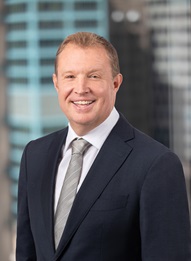
We sat down with Adrian Fortescue, TAL’s Head of Growth, Wealth and Retirement, for Product and Pricing to explore how he helps shape TAL’s approach to product and pricing strategy, sustainability and member outcomes.
You’ve worked across super funds, insurance and reinsurance. What have you learnt from each of those experiences?
I actually started my career as a physiotherapist, which might seem like an unusual path into insurance. But working in clinical care, then rehabilitation and claims, taught me a lot about understanding what people really need when things go wrong. That way of thinking has shaped everything I’ve done since.
When I moved into claims and actuarial roles, it gave me a broader view of product design. Reinsurance opened up global insights, and leading an insurance team at a superannuation fund is where things really clicked. Superannuation is designed to enable someone’s retirement, and we’re part of that ecosystem.
That’s the lens I brought to TAL when I joined four years ago. My role covers both group insurance and retirement products. Subject to policy terms group insurance can provide financial protection when employees need it most, while in retirement, members trust us to provide a steady benefit for as long as they live. Having both sides means we can design with the full picture of a member’s needs in mind.
How do you ensure each product is the right fit for funds and their members?
TAL has a strong presence across both industry and wealth funds, so we often work with funds where members are in similar occupations or industries. We look at demographics, salary levels and what cover actually makes sense for a typical member. Once we understand that, affordability and simplicity guide the design.
We work with trustees to simplify products where possible and make sure premiums are affordable for their members and don’t excessively erode super contributions. We’ve also had success reshaping voluntary insurance offerings for specific funds, tailoring eligibility, opt-in periods and cover types based on what the data tells us about their membership.
That kind of work only happens when you have the right people around the table. We have expertise across product, pricing, underwriting, claims, technology and partnerships, so whether it’s a product question, a claims challenge or a pricing conversation, we can connect the right expertise without working in silos.
How do you ensure pricing sustainability over the long term?
It starts with being honest about what’s changing. Twenty years ago, we wouldn’t have predicted the scale of mental health-related TPD claims we’re seeing now. We look at claims trends, medical pathways and shifts in areas like workers compensation to understand where pressures are heading. Our scale helps, giving us visibility across the life insurance market so we can spot emerging patterns earlier.
A key theme at our Partner Roundtable last year was that a price increase on its own isn’t a solution. So instead, we work with fund partners to evolve product structures and features. Where funds have income protection at the default level, for example, we can identify claims earlier and intervene sooner, which may lead to better member outcomes.
How do you approach product innovation?
A lot of it comes from looking at our portfolio data. Our teams analyse what’s working across different segments and where there’s an opportunity to do something different. For example, in funds with a higher proportion of women, we’ve introduced tailored features like premium waivers during parental leave, helping eligible members stay protected without eroding their super during unpaid leave.
We also test ideas in different parts of the business. The recent launch of TAL’s TPD Support Option in Individual Life products is a good example of how we pilot new product structures in response to changing claims trends and customer needs and then use those insights to inform future innovation. Some funds are open to piloting new ideas based on that analysis, and that’s where we see the most progress.
But innovation doesn't always mean a new product. Across the business, we're using AI and machine learning to quality-check underwriting decisions and automate routine assessments, getting members covered faster. We're also rolling out AI-powered tools across our partner-facing teams to surface information faster and reduce manual document handling.
Sometimes it’s about refining underwriting thresholds, improving early intervention at claim time, or rethinking how voluntary cover is priced.
What do you see as the biggest opportunities for group insurance in the years ahead?
There’s real opportunity in making products easier to understand and helping members see the value in their cover. We’re already using AI and automation to help with that, from automating parts of the underwriting journey to surfacing claims patterns sooner.
That idea of reaching members earlier extends beyond claims. I see real potential in preventative care and wellbeing, to help people before things reach a crisis point. The funds willing to move in that direction may get the best results for their members in retirement.