
ASFA: Engaged by design - how digital readiness shapes the member experience
Industry -
Members increasingly expect to manage their super and insurance on their own terms, at any hour. At a TAL-hosted panel at this year's ASFA Conference in Melbourne, the discussion focused on what helps members use those services: readiness, willingness and confidence.
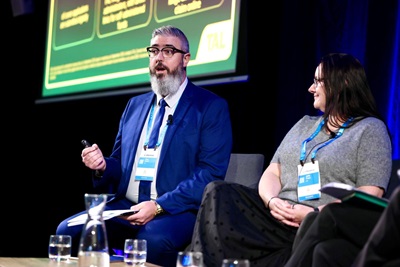
Chaired by Paul Wallis, TAL's General Manager, Partnerships, the session brought together Pamela Panagenas (Head of Member Operations, AustralianSuper), Julie Slapp (Director, Growth and Customer Solutions, AMP) and Scott Abercrombie (Executive Manager Innovative Solutions, SuperRatings). Their discussion followed the member journey, from joining and choosing cover through to claiming and planning for retirement.
Meeting members where they are
Paul opened with figures illustrating the reach of digital insurance services. In funds where TAL Connect is enabled, 98% of applications to increase underwritten cover were lodged digitally between July and September 2026. He also noted that 92% of TAL’s 4.2 million insured group super members can lodge a claim online. For Pamela, the real change is flexibility. It’s now easier for funds to “meet their members where they are”. She shared that the first claim through AustralianSuper’s claims portal arrived at 3am and the fund continues to see high levels of usage outside traditional business hours, including at night and on weekends.
The engagement gap
The session highlighted growing digital use, but also a gap between registration and engagement. Figures discussed for AustralianSuper showed members’ use of the digital tools rising from 5% in 2023 to 52% in 2026. Separately, SuperRatings research presented at the session put digital registration at 60% of members, compared with 48% for logins.
Closing the gap comes down to three things:
- Completing key tasks. Members can do what they need to manage their membership.
- Connected platforms. The fund’s platforms connect seamlessly with administrators, including real-time information sharing.
- Trust in security. Members trust the fund’s cyber and data security.
It also means accepting that digital won’t suit everyone.
Julie noted that digital readiness can be generational, pointing to her own mother’s hesitancy. Pushing members towards digital channels before they are ready risks leaving them feeling vulnerable, often when they’re already dealing with something difficult.
The answer is a digital-first direction that still keeps people at the centre.
One experience, not three systems
A member’s journey may run across systems operated by their fund, its administrator and an insurer, but it should feel like one connected service. That breaks down when members are asked to provide the same information repeatedly.
Julie illustrated the burden of disconnected processes through her family’s experience of a death benefits claim. She described what she had expected to be a straightforward spousal benefit payment becoming an 18-month process requiring the family to respond by mail. Julie noted it was the first time she had needed to buy a stamp in 30 years. In her view, a digital process could have reduced the administrative and cognitive burden on the family at an already difficult time.
A separate example of work towards more connected services is the new beneficiary centre TAL and AMP have worked together to develop. Its aim is to better integrate and manage member needs relating to beneficiaries.
Preparing for what’s next
The panel also looked ahead to how AI might reshape the member experience. Australians are open to it: TAL’s Understanding Modern Australia report found about 3.1 million Australians use AI to stay on top of their finances. It also found that 69% want to know whether advice came from a person or from AI. Alongside the potential for AI use, the findings highlight an interest in transparency about where advice comes from. Scott raised a possible next shift: members arriving with their own AI agents and expecting funds and insurers to engage with those agents directly. He said some funds are redesigning their websites with this possibility in mind. That prospect raises a broader question about the future role of a fund’s website.
When attendees were asked to rank their digital investment priorities for the next three to five years, cybersecurity and data protection came first, with integration across systems a close second. That echoed the themes of the session: trust and connection.
The takeaway
Paul closed the session by encouraging funds to “focus on keeping things easy, building trust with members, and enabling them to take the actions they need to take”. The takeaway for funds: look beyond what has been built to whether members feel confident using it.